Year One: Foundations in Bioregional Herbalism
An 8-month, in-person course in Chicago, IL with an embodied, experiential, and bioregional approach to herbalism.
Previously known as the ‘Greenspell Bioregional Herbalism Intensive’, this popular intensive is now the first year of a three year program. The purpose of this first year is to immerse you in the living language of herbalism and ecology. We focus on bioregional herbalism, actions & energetics in western herbalism, building your home apothecary, cultivating plant relationships, and community engagement related to the use of herbs to support individual and community well-being & resilience.
You are welcome to participate in just the first year or this program, you are not obligated to complete all three years if you participate in the Year One: ‘Foundations’ course. The first Year 3 course is expected to take place in 2028.
The 2026 course is now full – join the waitlist for the 2027 cohort below!
Join the Waitlist
Applications will open up in November 2026 for the 2027 cohort.
Spots are limited, so be sure to add yourself to the waitlist and you’ll be notified when applications open up for future years!
Curriculum Overview
In the Classroom:
-
Western energetics, the six tissue states, the four humors of Greek Medicine, herbal actions
We explore the six tissue states and their energetic correspondences: Hot/Cold, Damp/Dry, Tense/Lax, including the nuances of application in herbal practice and their manifestations in the plants we work with.
We also explore in depth what herbalist jim mcdonald refers to as ‘Foundational Actions’: Aromatics, Bitters, Astringents, Demulcents, Relaxants, & Stimulants, along with the more specified actions that derive from these foundational actions.
-
Greek Humoral Medicine
The Thomsonians, Physiomedicalists, & Eclectic Physicians
Processes of colonization in Western Herbalism – explorations on decolonizing our own practice.
The role of the herbalist today.
-
Grounding the Nervous System
stress & energy
rest & sleep
emotional support
Healthy Digestion & Elimination
Food as the foundation / herbal nutrition
Gut inflammation, gas, & bloating
Supporting the gut microbiome
Resilient Immunity
Building immunity & cultivating a healthy inner terrain
Herbal support for coughs, colds & the flu
-
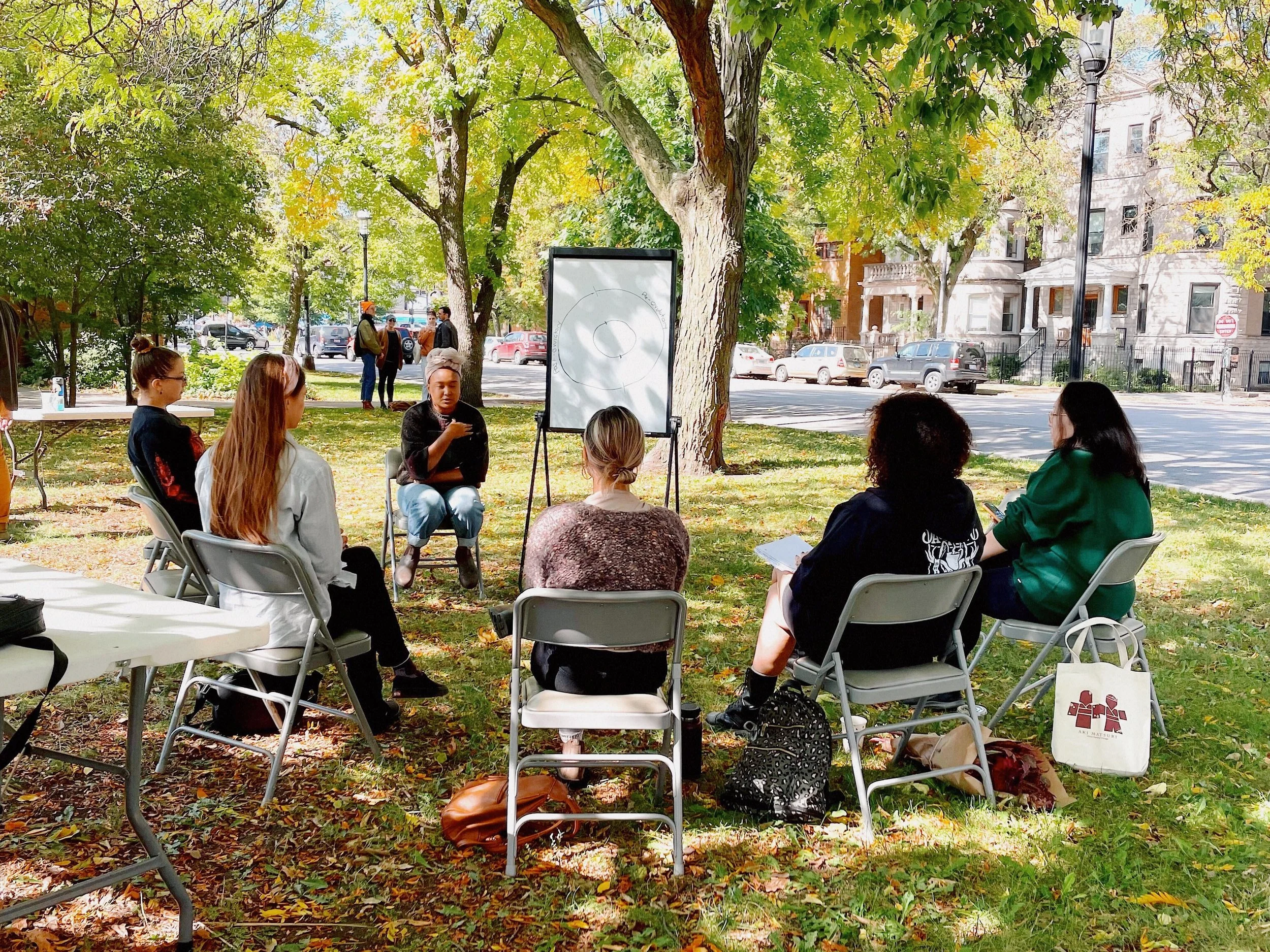
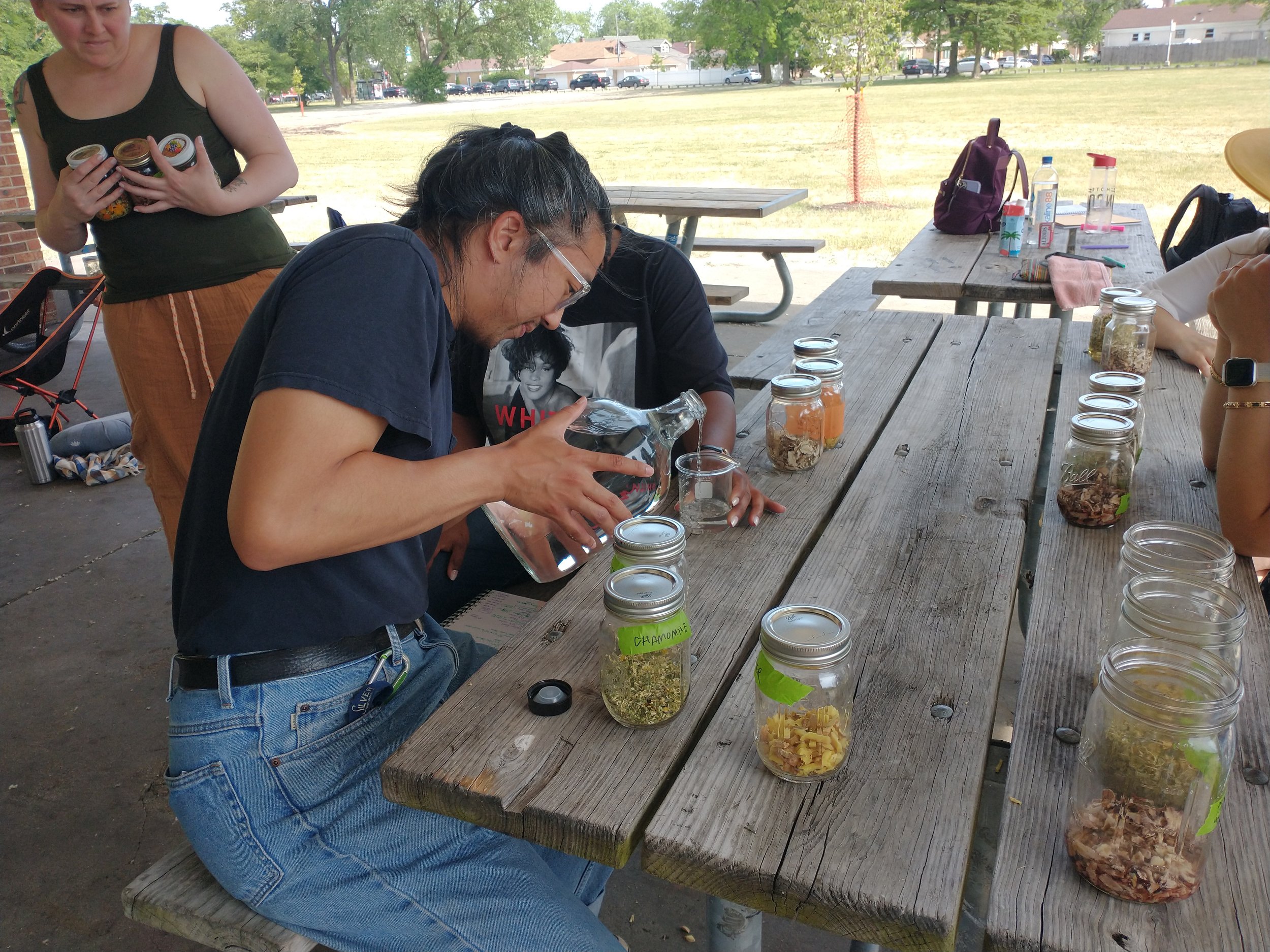
Throughout our class discussions we will sample various teas and tinctures to develop our palette and a visceral sense of the unique personalities of the herbs we discuss.
-
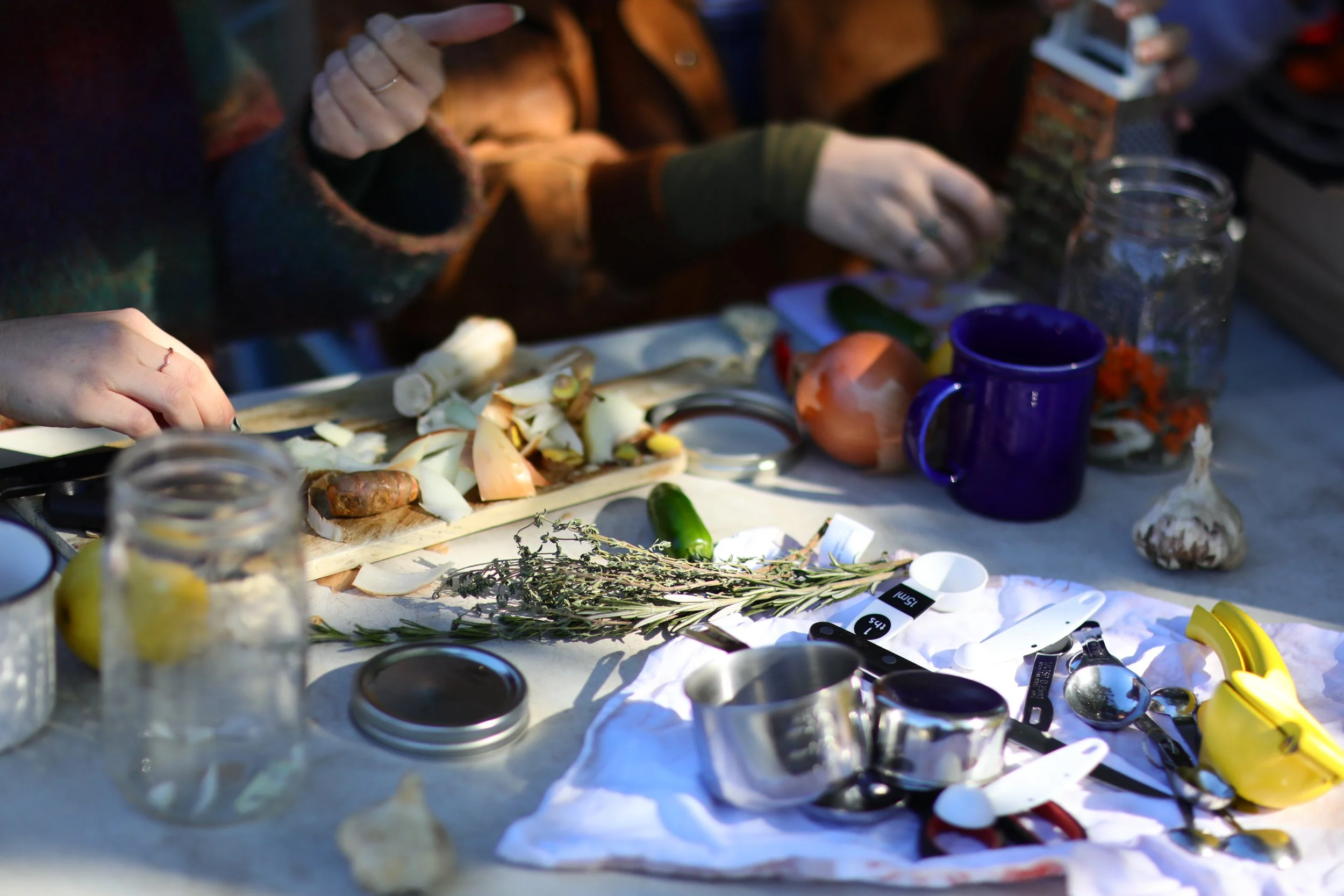
There will be several herbal medicine making demonstrations throughout the course where you will have the opportunity to work hands-on with some core herbal preparations: water infusions, tinctures, vinegars, oxymels, and infused herbal oils.
You will also be provided a treasure trove of information and instruction through the Greenspell Virtual Garden on additional preparations not covered during class time (including syrups, steams, baths, shrubs, smoke blends, glycerites, bitters, salves, herbal cleaning solutions, and more!)
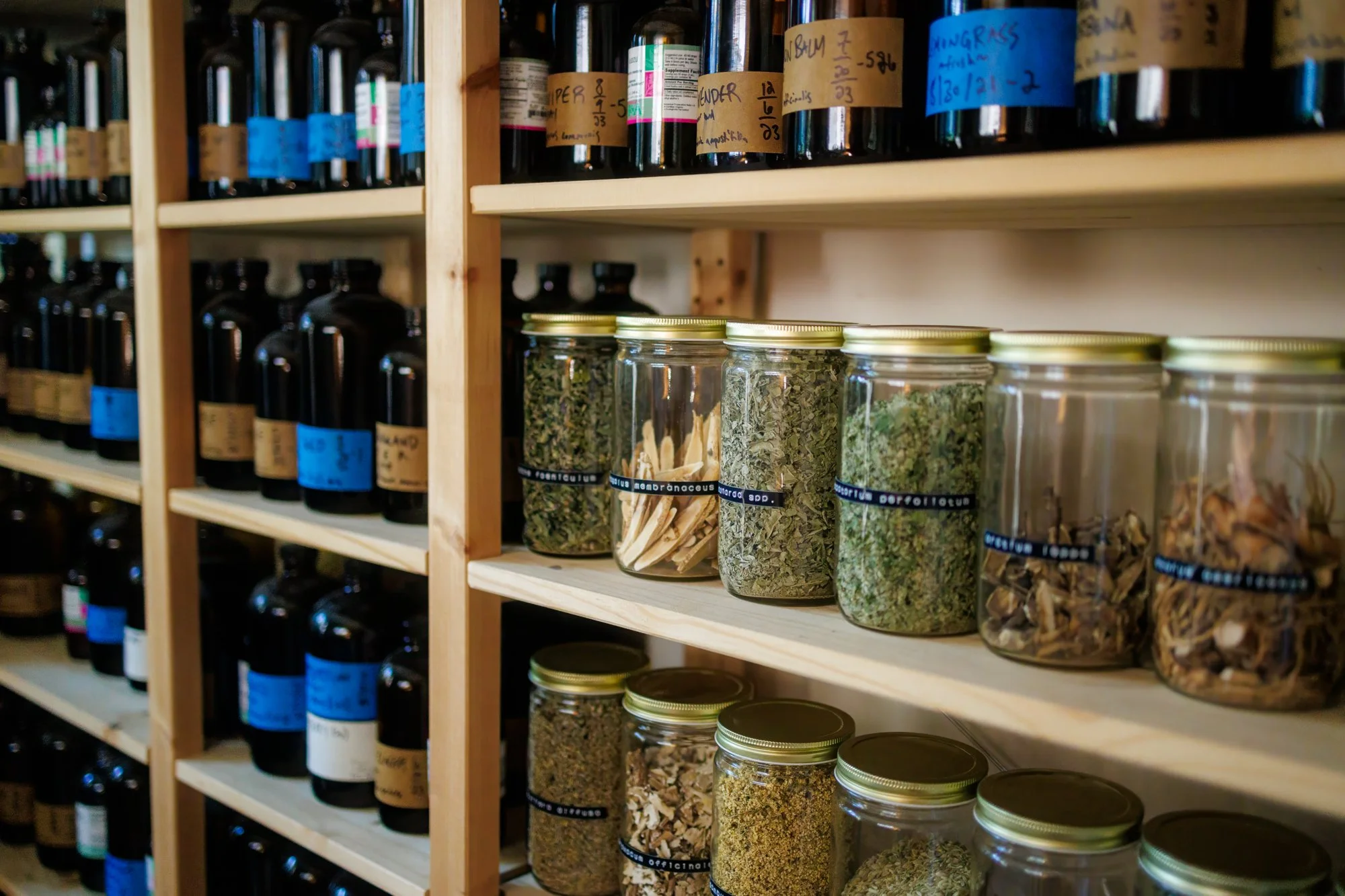
By the end of this course you will be able to take your skills home and fill your kitchen and apothecary with jars of dried herbs, and a variety of preparations in various sized bottles to the delight or puzzled looks of the ones you live with.

In the Field:
-
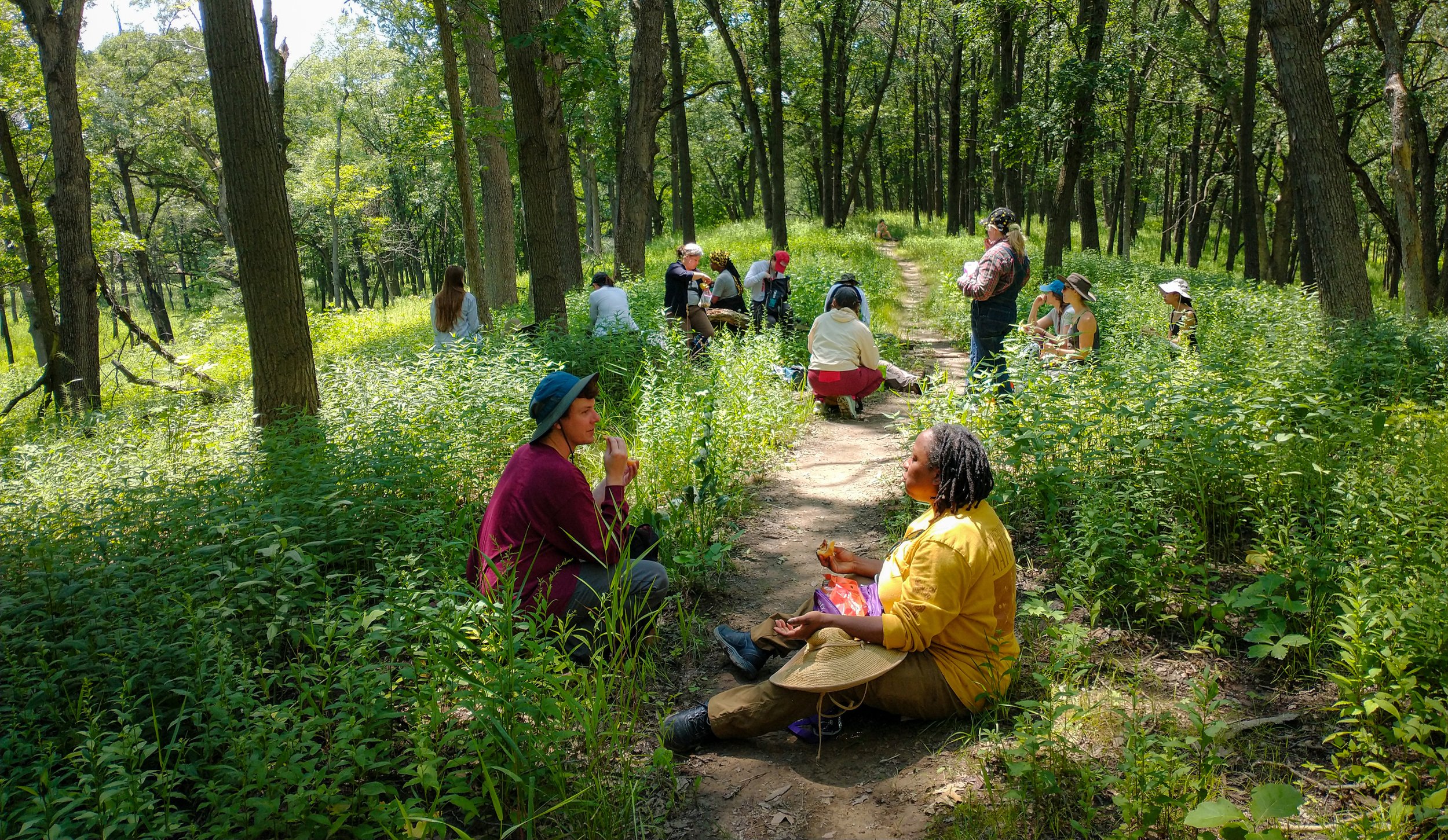
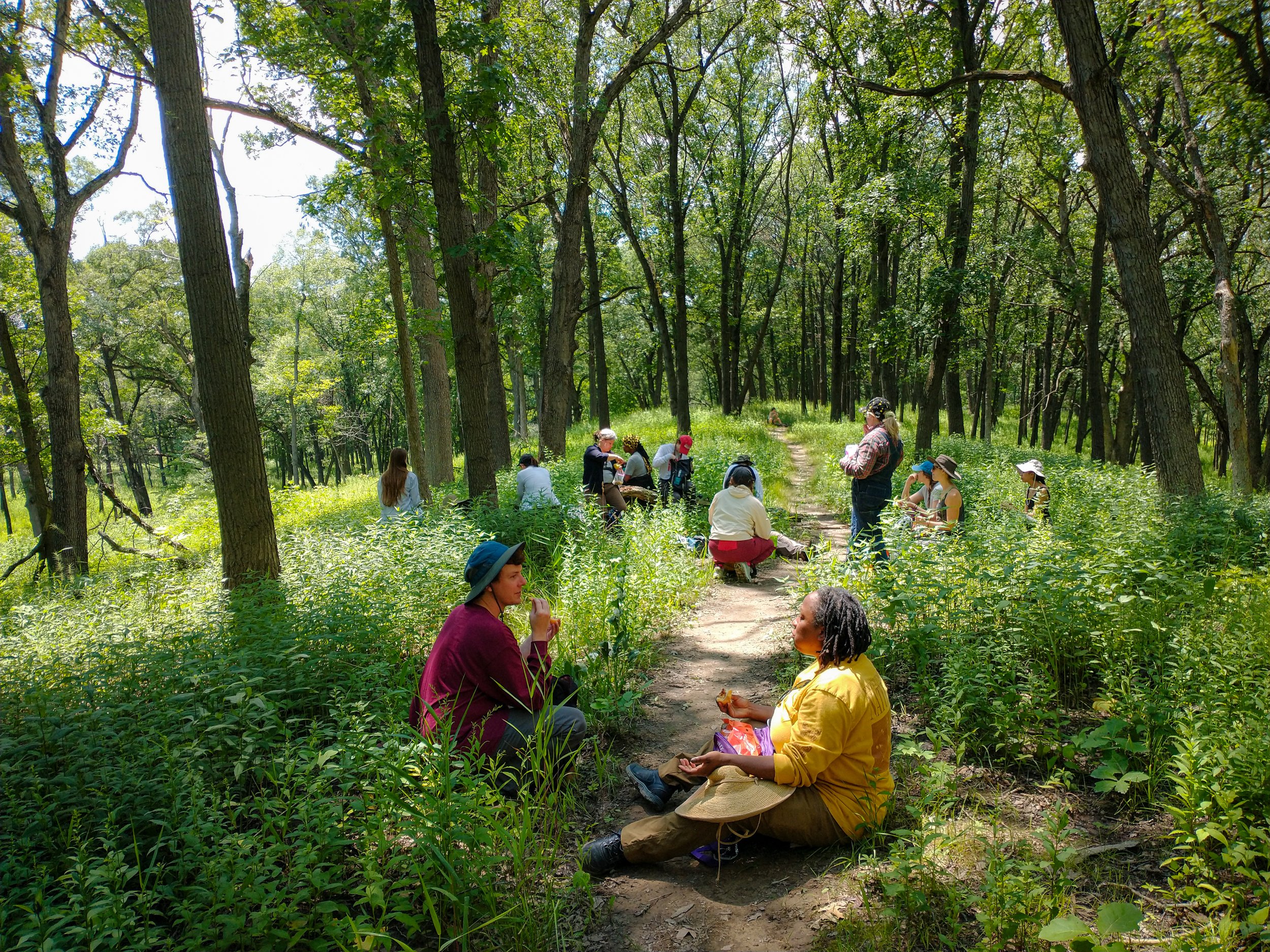
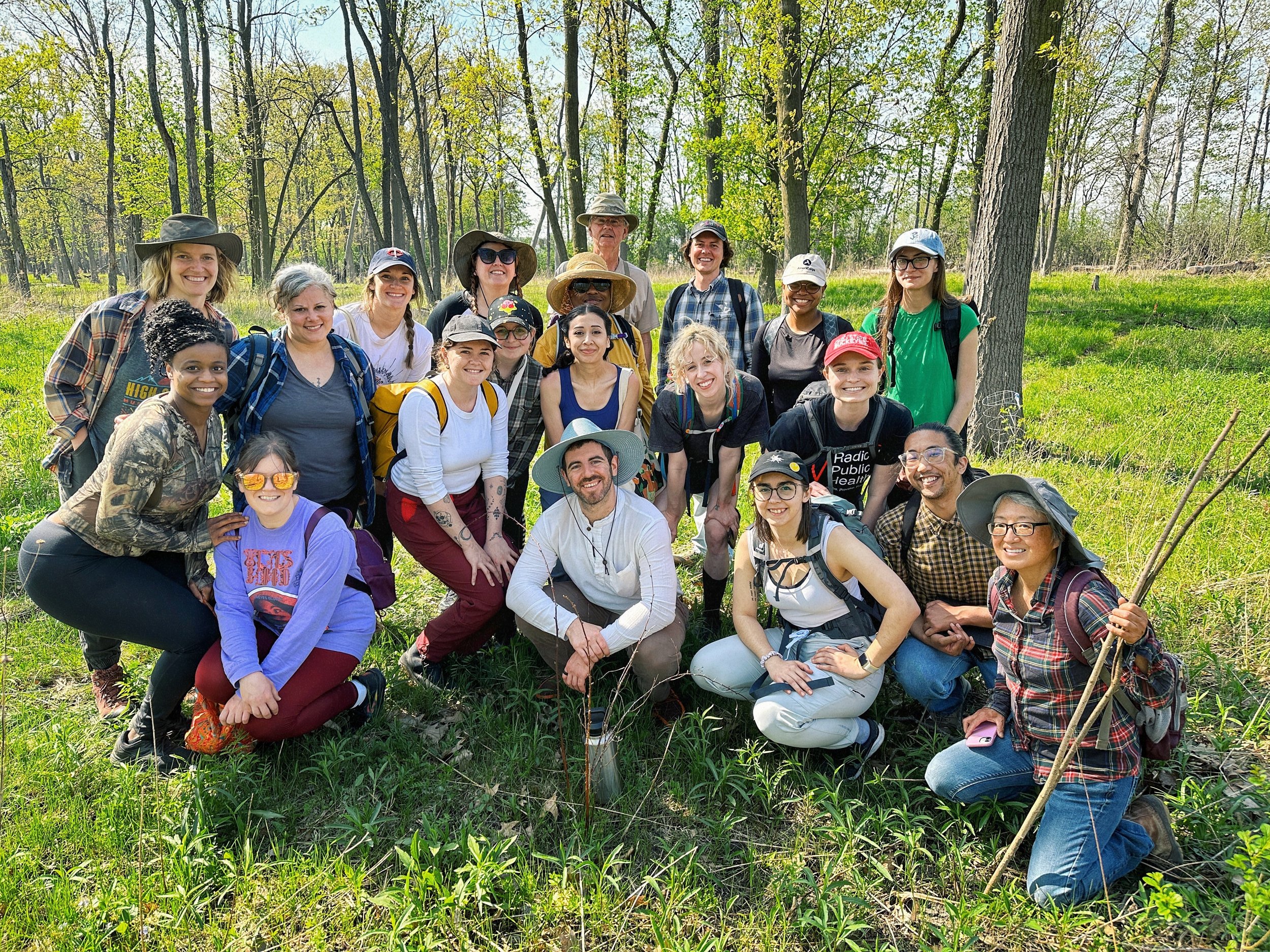
Each month we explore the beautiful flora of our region through several plant walks from spring through summer and fall. On these walks, we learn about the virtues of the plants we encounter, basic botany & plant ID, ethical foraging practices, with healthy doses of ethobotany, examples of applications in my clinical practices, and personal stories sprinkled throughout.
While I do share what I know about the plants we encounter – my knowledge is inherently limited to my own experience, so I also welcome students to share about their own experience of plants, including the cultural and familial relationships they hold with these beings.
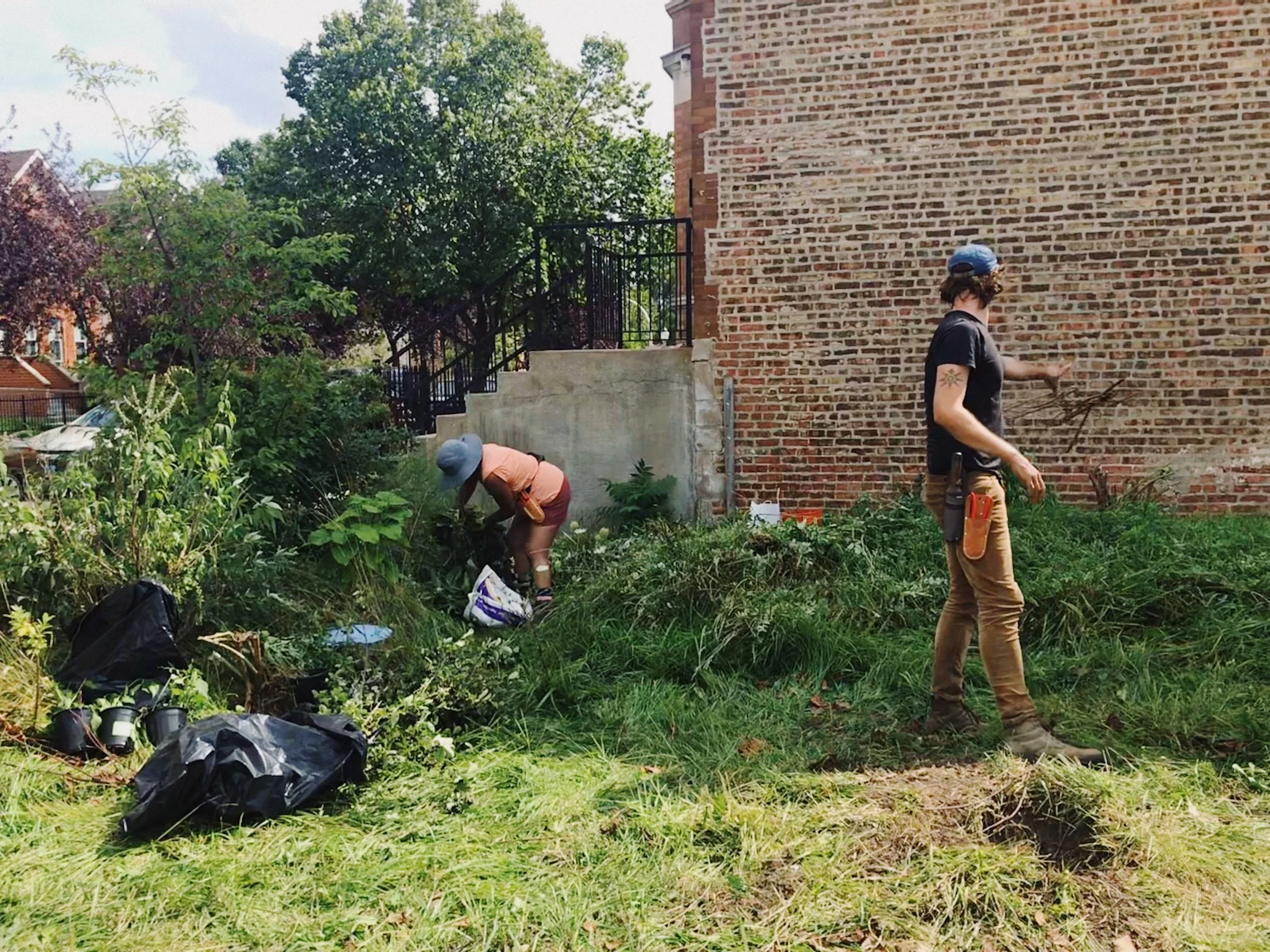
These walks are a great opportunity to get out in nature, sweat a bit, get our hands dirty, and learn and connect with our human and nonhuman kin.
-
Learn about the ethics of foraging, the honorable harvest, and reciprocity in wildcrafting. As we encounter plants, you will be introduced to basic botany concepts, and ways to easily identify medicinal and edible plants, along with some cautions on potentially dangerous lookalikes.
-
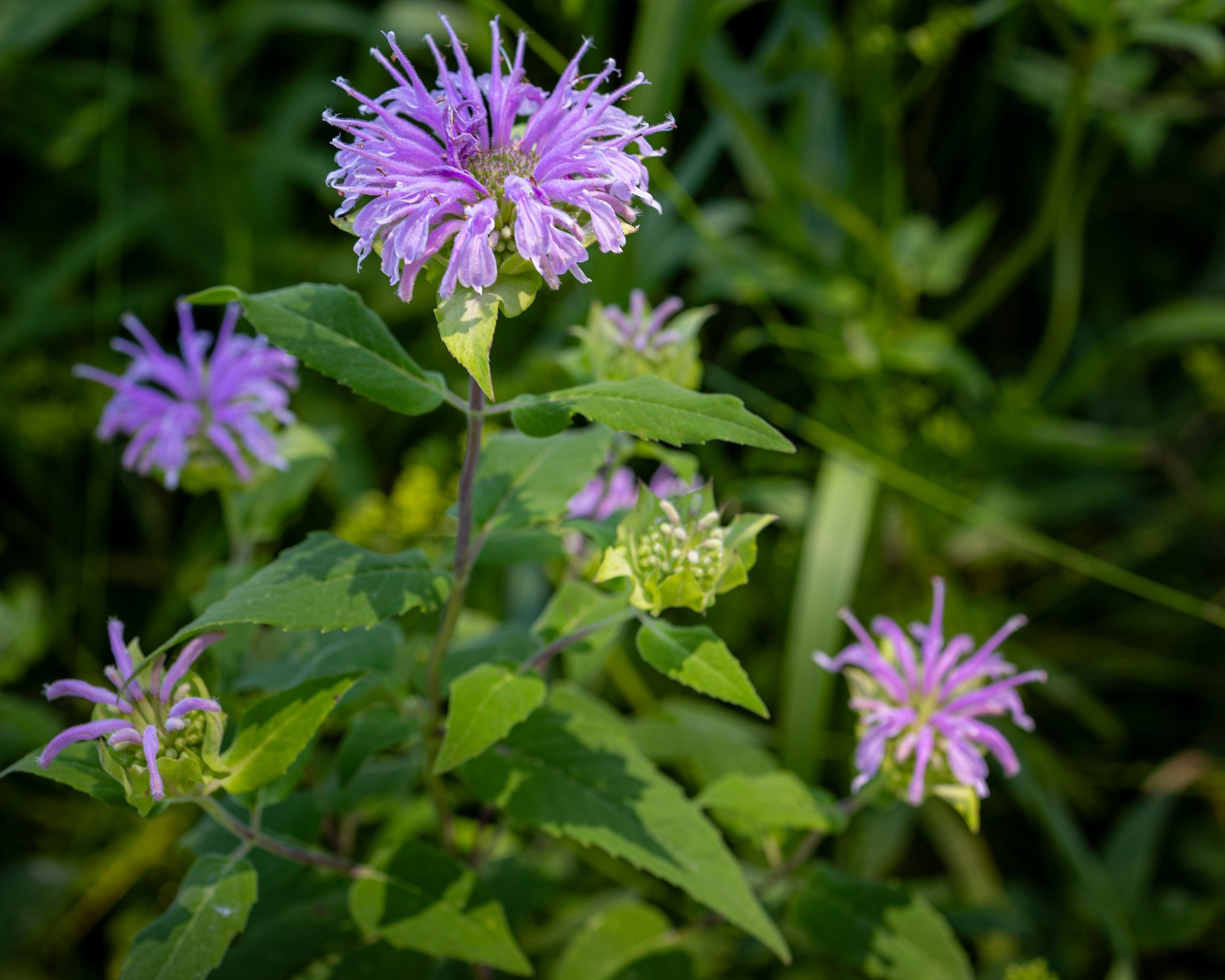
Bioregional Herbalism is the practice of working with plants rooted in place, in our case, the wondrous and beautiful ‘Great Lakes Basin’ we call our home.
Practicing bioregional herbalism, we work to enter into a sacred relationship with the land we walk upon. To learn, steward, connect, and live in reciprocity to the living landscape of which we are apart. This will require us to learn about the peoples who stewarded this land before us and reconnect with the flora of our bioregion, understanding the differences between native, naturalized, and invasive species.These discussions are sprinkled throughout our plant walks, but are also encouraged through class discussion and recommendations of ecological and environmental texts.
-
Our time connecting with plants in the wilds of Chicago will mirror our time connecting with individual herbs through in-depth study in-class and at home. I will provide resources for you to organize the multitudinous insights, experiences, and epiphanies related to the herbs you encounter into written plant monographs (that comprise your own personal Materia Medica) that you may refer to over the course of your life and practice as an herbalist.
Additional Learning Opportunities
Class Project & Open House
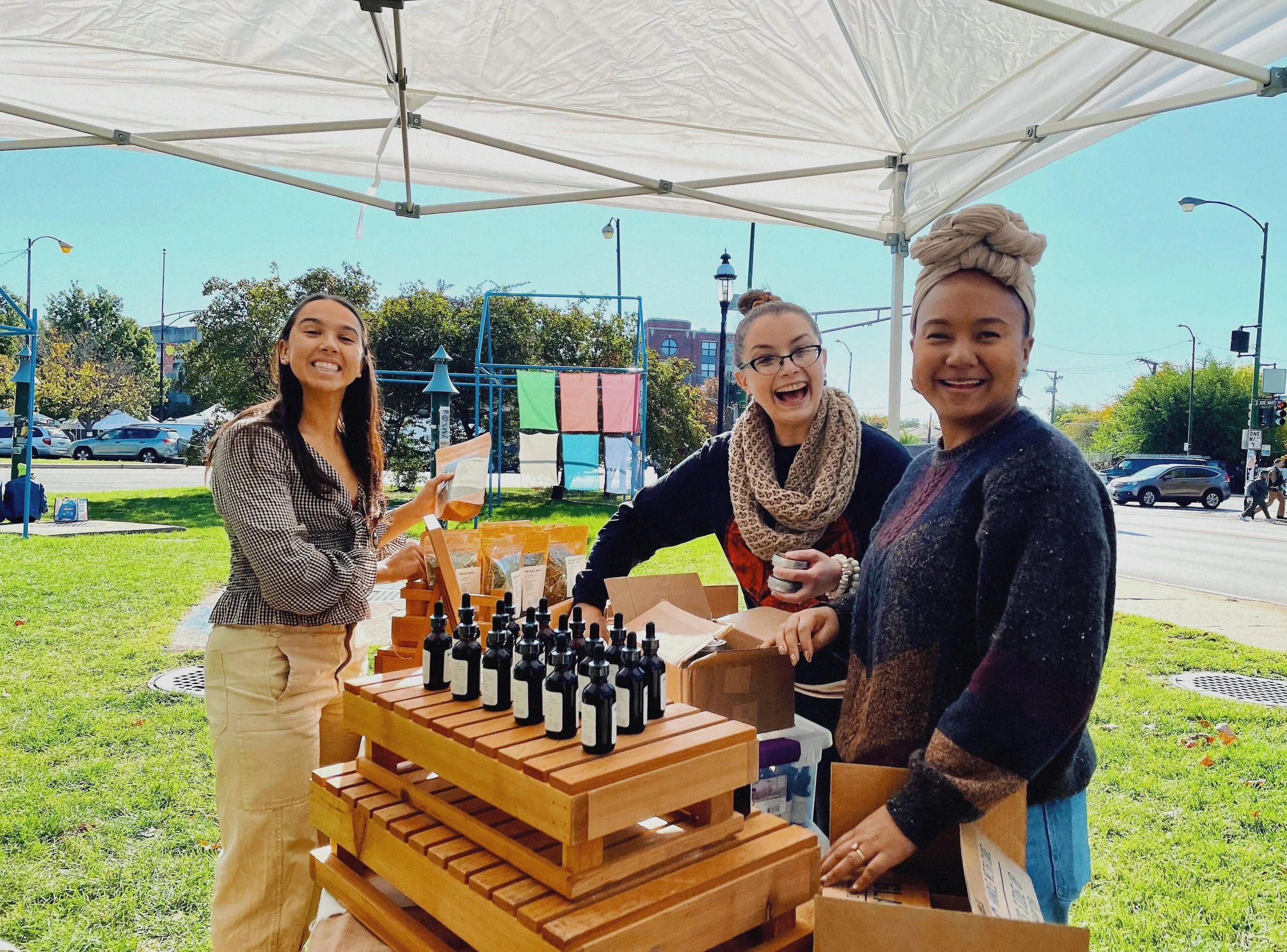
All current Greenspell students work together to plan and organize the Greenspell Annual Open House, which offers accessible, sliding-scale herbal preparations and learning opportunities to our Chicago Community. The Open House is typically held in October or November and acts as the culmination of our learning efforts throughout the duration of the course.
Students from both the Year 1 and Year 2 programs work together to curate, formulate, and prepare a selection of herbal preparations intended to support our community through the transition into colder months.
In past years, students have worked together to create a ‘zine’ to share our learnings and insights with our community. This is always a possibility, but requires the initiative of students to step up to make this happen!
Supplemental Online Community & Learning through the Greenspell Virtual Garden
Greenspell is about building relationship–with plants & fungi, with our bodies, with the earth, and especially with all the wonderful humans who learn and grow together over the course of this program.
So, I created a dedicated online community through an application called Heartbeat, where you'll be able to communicate, collaborate, & connect with other students from Greenspell outside of class. If you're familiar with slack or discord, it's kind of like that, but just for students of Greenspell (and more fun and less workplace-ey).
I will also frequently share articles and readings from the Greenspell Virtual Garden, which contains hundreds of pages of free content related to herbalism, ecology, and foraging.
At the end of the course, students will be added to the wider Greenspell online community (which includes alumni of past Greenspell Course years), which I encourage you to visit for years to come to reconnect and ask all herbalism, foraging, and ecology questions you may have!
Students who participate in the course have lifetime access to the online areas of this course, which will continue to be updated as the course evolves.

This program will support you in:
• Learning to make your own herbal preparations for yourself, your family, and your community
• Understanding plant actions and energetics from a western herbalism perspective
• Developing a deeper relationship with the plants, fungi, and ecology of our bioregion
• Expanding your perceptual and sensory awareness of body, earth, and the spaces in between
• Entering into a richer relationship/rapport with your body
• Understanding the links between embodiment, well-being, and social justice
• Building community organizing and outreach skills related to collective community care
2026 Class Dates & What to Expect
April 18-19 (Class Days)
May 23-24 (Class Day & Plant Walk)
June 6-7 (Class Day & Plant Walk)
July 18-19 (Class Day & Plant Walk)
August 8-9 (Class Day & Plant Walk)
September 19-20 (Class Day & Plant Walk)
October 10 (Final Class Day / Student Presentations / Potluck)
Greenspell Annual Open House – TBD (Typically held on a Saturday or Sunday sometime between mid-October and early November)
2027 Class Dates - TBD
In 2027, the class expected to run from late March through October following the same one-weekend-per month format as in 2026.
~~~
All Saturday Class Days will be held indoors at our apothecary and classroom in West Town (333 N Oakley Blvd, Unit 101, Chicago IL 60612).
Sundays will be devoted to plant walks (excluding Sunday, April 19) at various locations throughout the Chicagoland area.
We will also be scheduling a handful of optional prep days in September and October to prepare for the Open House. These will be scheduled after the program begins.
Some plant walk locations we may be visiting include Somme Woods, Palos Area Woods, Schiller Woods, Indiana Dunes State Park, and various areas within the city including Patchwork Farms and Humboldt Park.
Make sure you are able to secure transportation to these areas. I will do my best to facilitate carpooling of students within the class, but ultimately, traveling to these locations is up to you. Travel times for some locations can be up to 2 hours by car. Budget for gas and time accordingly.
Both Class Days and Plant Walks begin at 11am sharp and end at 4pm-ish, although I will never go later than 4:30pm. Please bring a lunch both days, we will typically have at least one break for lunch.
If a class will be held at a location other than the ones listed above, you will be given several weeks notice.
We meet rain or shine, so be prepared for exposure to the elements! In the event of extreme weather on plant walk days, the plant walk will be cancelled and you will be welcome to attend the same plant walk the following year, or attend one of the many plant walks I offer outside of the program.
Be sure to read the Program FAQ linked below for all additional details and commonly asked questions.





How to Enroll
Submit your application – using the link below
The application window will be open from mid-November 2026 through the end of January 2027. The application window may close earlier if the class fills up.
Interview – After you apply, I will reach out to set up a time for a brief zoom interview so we can discuss details, get to know each other a bit, and field any questions you may have about the program. We will also discuss further payment details including if you are interested in the mentorship add-on (see below).
Scholarships typically fill up early, so if you are interested in receiving a scholarship make sure to apply as early as possible.
Acceptance – Shortly after this interview, you will be notified of your acceptance to the course. – Know that priority is given to folks who are confident they can commit to the entire program. I ask for participants who are willing to show up to all classes, walks, and events that are apart of the program.
Each year’s cohort is limited to ~20 students to maintain a strong sense of community within the group.
Submit your deposit – Once you are accepted, I will provide a link for you to submit your initial $400 deposit, which counts toward the full cost of the program, and also holds your spot.
All deposits are required to be submitted by February 1, 2027
Submit remaining balance or start your payment plan – no later than 3/1/2027
Orientation – once you either submit your remaining balance or start a payment plan, you will gain access to the Greenspell Online Community and Greenspell Virtual Garden. Get to know these online aspects of the program a bit by navigating through the welcome & orientation sections of each.
Year One Program Cost
~ $1800 ~
The cost of this course is $1800. Upon acceptance to the program, you are asked to pay an initial $400 deposit which holds your spot in the program and counts toward the full cost of this program.
Alternatively, you may pay your remaining balance through a payment plan. Payment plans are available after the initial deposit is made. Payment plans will be 8 payments of $175. I require you to make your first payment by 3/1/2027.
80 hours in-class time
~40 hours out-of-class self-study
Before applying, make sure to read over the Program FAQ page for common questions and other important considerations.
Students who participate in the course have lifetime access to the online areas of this course, which will continue to be updated as the course evolves.
~~~
Note that the link below to apply will not work until the application window opens in November – please scroll above to sign up for the waitlist.